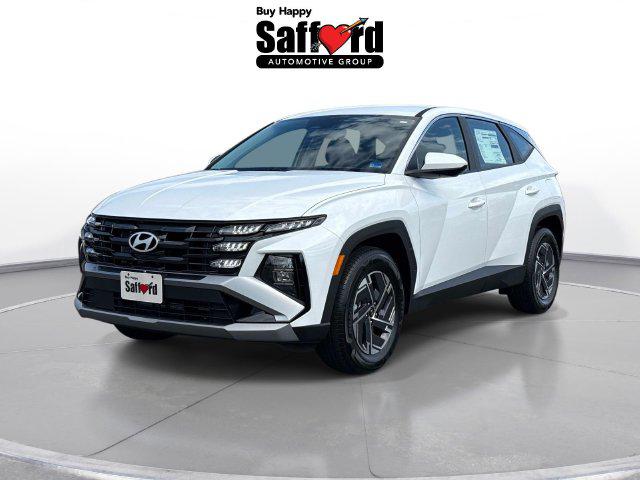
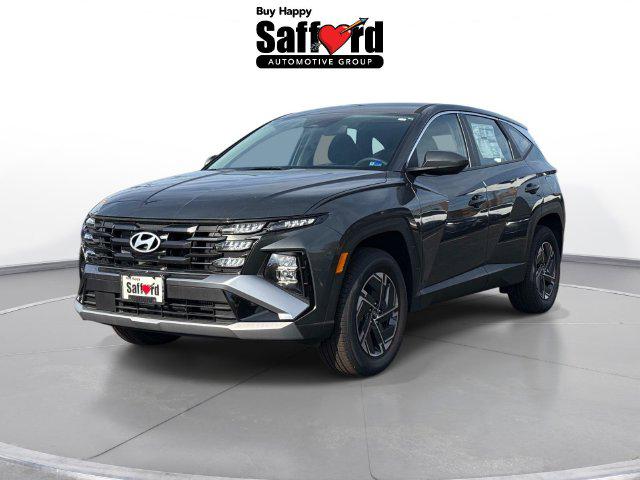
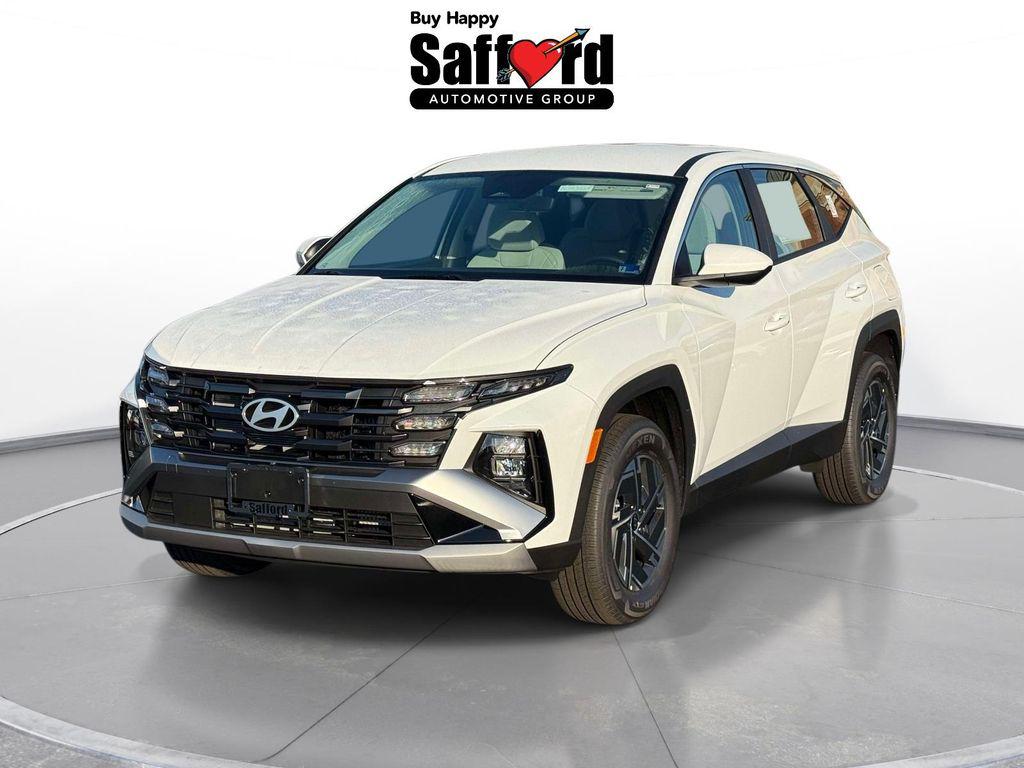
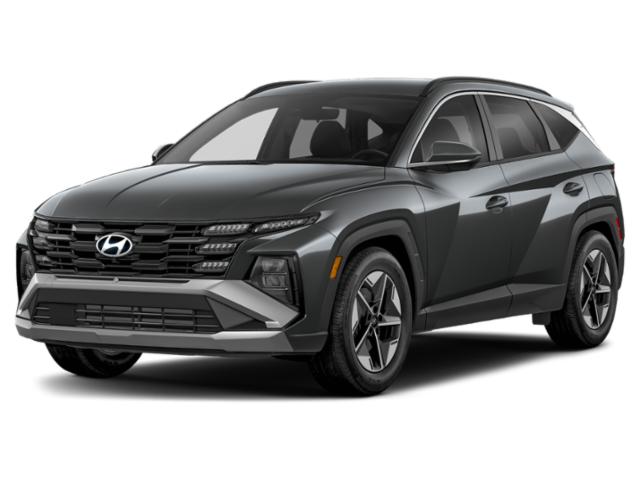
New Hyundai Tucson Hybrid for Sale in Leesburg, VA

Frequently Asked Questions about New Hyundai Tucson Hybrid Leesburg, VA
Does a Tucson Hybrid need more service than a standard SUV?
Not more, though the emphasis shifts slightly. Fluid changes, tire rotations, and inspections still run on a schedule, and the intervals are laid out in the maintenance guide that comes with the vehicle. Our advisors at Safford Hyundai Leesburg will walk you through the calendar at delivery so it never becomes a guessing game.
Why does the hybrid feel quieter than the regular Tucson?
Because it behaves differently at the speeds where cabin noise is most noticeable. Low-speed running through a neighborhood or a parking structure is calmer than in a conventional SUV, and that is the part owners comment on first. Take one through a residential street on your drive and the difference is obvious.
Can I do most of the purchase online and finish in person?
Yes. Plenty of Leesburg-area buyers handle the paperwork and the trade conversation from home, then come in only to drive the vehicle and sign. We are set up for that and it usually cuts the showroom visit down considerably.
Will you take a commuter car with high mileage as a trade?
We will look at it, and high mileage alone is not a disqualifier. Service history and condition carry real weight, so a well-kept car with a big odometer reading often appraises better than people expect. Bring the records if you have them.
Should I read the window sticker before I drive one?
Yes, and hardly anyone does. The sticker distinguishes what is standard on that trim from what came as part of an option package, which is the single most common source of confusion after delivery. Ask a salesperson to read through it with you before the drive rather than after.
Have Additional Questions?
Ask us the awkward ones. Whether the fuel saving is worth the price step, what your current car is really worth, which package a particular vehicle actually left the factory with.
Those are the questions that decide the purchase, and vague answers help nobody.
A salesperson who knows these vehicles will answer, not a call center.
After the Sale, the Service Bay Is the Relationship
Most dealerships are judged on the hour you spend buying. Owners judge them on the years that follow, and that judgement happens in the service department rather than the showroom.
The routine on a Tucson Hybrid is not exotic. Fluid changes on schedule, tires swapped around before the wear goes uneven, and a proper look at the braking system rather than a glance at it. Done at the right intervals, that list is the whole story for a long time.
- Fluid changes carried out at the scheduled intervals
- Tires rotated before wear patterns set in
- Braking system properly inspected rather than glanced at
Our advisors explain what a visit will cover before the vehicle goes in, and they call rather than surprise you if something else surfaces. That is a low bar and it is remarkable how often it goes unmet elsewhere.
Keeping the work here also builds a record. When a question comes up three winters from now, there is history to look at instead of speculation.
Quieter Around Town, Fewer Stops for Fuel
A conventional compact SUV is at its worst in exactly the driving most people do most often. Short hops, traffic lights, the crawl through a parking lot. The Tucson Hybrid is most at home there.
You notice it in two ways. The cabin is calmer at low speed than the standard Tucson, and the fuel gauge moves more slowly across a week of errands than you are used to. Neither one requires you to drive differently.
- Calmer cabin during low-speed neighborhood driving
- Fuel efficiency strongest in stop-and-start errand running
- No change to how you drive or where you fill up
Where a standard SUV asks you to accept the cost of local driving as unavoidable, this version quietly reduces it. Over a year of school runs and grocery trips near Leesburg that adds up to a genuine difference.
The rest of the Tucson comes along unchanged, so nothing about the practicality is traded away for the efficiency. You are adding efficiency rather than giving something up.
Starting Online and Finishing in the Showroom
Buying a car used to mean an afternoon in a chair. It does not have to now, and a good share of our customers never spend more than a short visit in the building.
The pattern that works well is to do the slow parts remotely. Sort the trade conversation, settle the structure of the deal, and agree the vehicle. Then come in, drive it, and sign.
- Trade conversation handled before you visit
- Deal structure agreed remotely rather than at a desk
- An in-person visit built around the drive and the signature
Some people prefer the opposite and want everything done face to face. That is equally fine and nobody here will push you toward the online path if it is not how you like to buy.
The point is that the process bends to you rather than the other way around. Tell us which version you want when you first make contact.
A High-Mileage Commuter Car as a Trade
People with big odometer readings often assume their car is worthless and skip the conversation entirely. That assumption costs them money more often than it saves them embarrassment.
Condition and history matter enormously at high mileage. A car that was serviced properly and looks after itself inside sits in a completely different bracket than one that was run into the ground, even when the numbers on the dash match.
- High-mileage vehicles appraised rather than dismissed
- Service records weighted alongside the odometer
- An honest figure even when the answer is modest
Bring whatever records you have. Receipts from an independent shop count just as much as stamps in a book, and they change the picture more than most owners realize.
If the number comes back low, we will say so and explain why rather than dressing it up. Knowing the real figure still leaves you better off than guessing.
What Does the Window Sticker Tell You That the Listing Does Not?
Online listings summarize. The sticker in the glass does not, and it is the document that actually describes the vehicle parked in front of you rather than the model in general.
It separates what comes standard on that trim from what arrived as part of a package, which is the distinction that trips people up most. Two Tucson Hybrids on the same row can differ by more than the badge on the tailgate suggests.
- Standard equipment separated from package contents
- The exact specification of the vehicle you are standing next to
- A document our staff will read through with you line by line
Where a listing photo leaves you guessing about a feature, the sticker settles it in seconds. We encourage people to read it before the drive rather than after the paperwork.
Ask any of our staff to walk you through one. It is a five minute habit that prevents most of the surprises owners report later.
Before you commit to a Tucson Hybrid, come talk to our service advisors at Safford Hyundai Leesburg about what the first few years of ownership actually involve. That conversation tells you more than another lap around the lot.